Singapore is known for being one of the world’s most forward thinking cities, where technology integrates seamlessly with everyday life. From transport to finance to health services, the country prioritises efficiency, innovation and user experience. This mindset has now extended strongly into the fitness sector, transforming the way people train and monitor their wellbeing. A gym membership singapore is no longer just access to equipment. It has evolved into a digitally enhanced experience that uses data, smart devices and personalised insights to shape better performance and long term results.
Modern fitness is driven by information. Singapore residents today want training routines that are measurable, adaptive and suited to their unique lifestyle demands. Technology makes this possible by offering precise feedback on performance, recovery, metabolism and progress. When combined with a structured gym environment, this creates a powerful system that helps individuals train smarter and stay consistent.
The Rise of Data Driven Fitness in Singapore
Fitness data was once something only athletes monitored. Today, it has become part of daily life. Wearables, fitness apps and smart machines allow individuals to access real time information that enhances training quality and motivates better habits.
In Singapore, the adoption of wearables is extremely high due to the country’s technology minded culture. People track:
-
Heart rate
-
Sleep cycles
-
Stress levels
-
Body composition
-
Daily movement
-
Calorie expenditure
-
Recovery levels
Gyms have adapted to this shift by integrating their systems with wearables and creating a more connected training experience.
Smart Cardio Machines and Enhanced Tracking
Many modern gyms in Singapore now use smart cardio machines that adjust intensity automatically and display detailed performance metrics. These machines provide more precise information than outdoor workouts because they operate in controlled environments.
Smart cardio equipment includes:
-
Treadmills that adjust speed and incline based on performance
-
Rowers that measure stroke efficiency
-
Stationary bikes with power output tracking
-
Elliptical trainers that record stride pattern and calorie efficiency
Data from these machines helps individuals understand how their body responds to different intensities, allowing them to target fitness goals more accurately.
Strength Training Enhanced by Technology
Strength training has traditionally relied on manual tracking or personal judgement. Today, smart machines help users maintain correct form, measure load progression and monitor muscular balance. These features allow individuals to improve safely and consistently.
Advanced features now available include:
-
Load recommendations based on past performance
-
Automatic adjustments to machine resistance
-
Repetition counting
-
Form correction alerts
-
Muscle imbalance warnings
These tools help individuals avoid plateaus, perform movements correctly and reduce the risk of injury.
AI Guided Workouts for Personalised Progress
Artificial intelligence has become a powerful tool in fitness planning. AI systems analyse past performance, monitor fatigue levels and adapt routines to match individual needs. Singapore’s tech friendly population embraces these tools, making AI guided workouts increasingly popular.
AI can help with:
-
Automatic workout generation
-
Intensity recommendations
-
Recovery timing suggestions
-
Progress tracking
-
Exercise alternatives for different abilities
This has made personalised training more accessible for those who do not use personal trainers but still want structured routines.
Integration Between Wearables and Gym Systems
Wearables such as smartwatches, heart rate trackers and fitness rings now sync with gym equipment. This allows users to combine data from indoor and outdoor movement for a complete picture of their wellness.
Benefits include:
-
More accurate calorie tracking
-
Heart rate zone training
-
Improved understanding of cardio conditioning
-
Better monitoring of recovery and fatigue
-
Alerts when stress levels rise during training
Wearable technology enhances gym routines by providing continuous feedback even after the workout ends.
Virtual and Hybrid Fitness Options
Another major shift in Singapore is the rise of hybrid fitness routines. People now combine in gym workouts with virtual training tools. This flexibility benefits individuals with demanding schedules, allowing them to maintain consistency even when they cannot visit a gym physically.
Hybrid methods include:
-
Virtual on demand classes
-
Live streamed sessions
-
App based workout programs
-
Guided mobility or stretching routines from home
This approach allows individuals to use the gym for strength and equipment based training while relying on digital tools for light, quick sessions.
Smart Recovery Tools Supporting Singapore’s High Stress Lifestyle
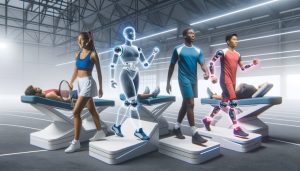
Recovery is a major part of modern fitness, especially in a high stress city like Singapore. Gyms now offer smart recovery tools that help individuals improve circulation, reduce soreness and maintain long term performance.
Popular recovery technologies include:
-
Percussion therapy devices
-
Air compression leg sleeves
-
Infrared saunas
-
Cryotherapy zones
-
Vibration plates
-
Smart foam rollers
These tools accelerate recovery, which is essential for individuals managing long work hours and demanding schedules.
Why Technology Improves Motivation and Consistency
Technology helps people stay motivated in ways traditional routines cannot. Visual progress, achievements and data points encourage long term commitment. In Singapore, where people live highly digital lifestyles, this motivates individuals to maintain their fitness journey.
Motivation improves through:
-
Goal badges and achievements
-
Visual graphs showing improvement
-
Calorie tracking milestones
-
Weekly activity summaries
-
Leaderboards in classes
-
Personal best alerts
These small but meaningful features help people stay consistent.
Supporting Every Stage of Fitness
Technology allows training to become adaptive. Beginners receive guidance, intermediate users receive progression and advanced users receive performance insights. This personalised experience ensures that a gym membership can support individuals at every stage of their journey.
Technology adapts to someone who is:
-
Returning from a break
-
Managing stress
-
Training for weight loss
-
Building strength
-
Improving general fitness
-
Recovering from an injury
-
Preparing for a sporting event
This flexibility makes high quality training accessible to more people.
Why Singapore’s Culture Makes Tech Enabled Gyms Successful
Singapore’s population is highly connected, highly mobile and comfortable with digital tools. Most residents rely on apps for daily tasks, making it natural to integrate technology into fitness routines. Tech enabled gyms fit seamlessly into this lifestyle.
Other factors include:
-
Efficient transport that allows easy access
-
High smartphone adoption
-
Strong interest in performance optimisation
-
Busy schedules that require efficient training
-
Limited space at home for equipment
Many residents also evaluate gym options from reliable providers such as True Fitness Singapore to find facilities with modern equipment and smart training support.
Real Life Scenarios in Singapore
Office professional tracking stress and energy
Uses wearable detected stress alerts to plan lighter workouts on high pressure days.
New parent with limited training time
Relies on AI generated quick strength sessions that match available time.
Digital nomad
Uses hybrid training options to maintain routine while moving around Singapore.
Older adult
Benefits from smart machines that reduce injury risk and provide controlled movements.
Fitness enthusiast
Uses power output, VO2 estimators and training metrics to fine tune workouts.
These scenarios show how technology enhances training quality across different needs.
FAQs
Q1. Do I need advanced tech knowledge to benefit from tech enabled training?
No. Most modern gym technology is intuitive and easy to use. It enhances training even for beginners.
Q2. Will technology replace personal trainers?
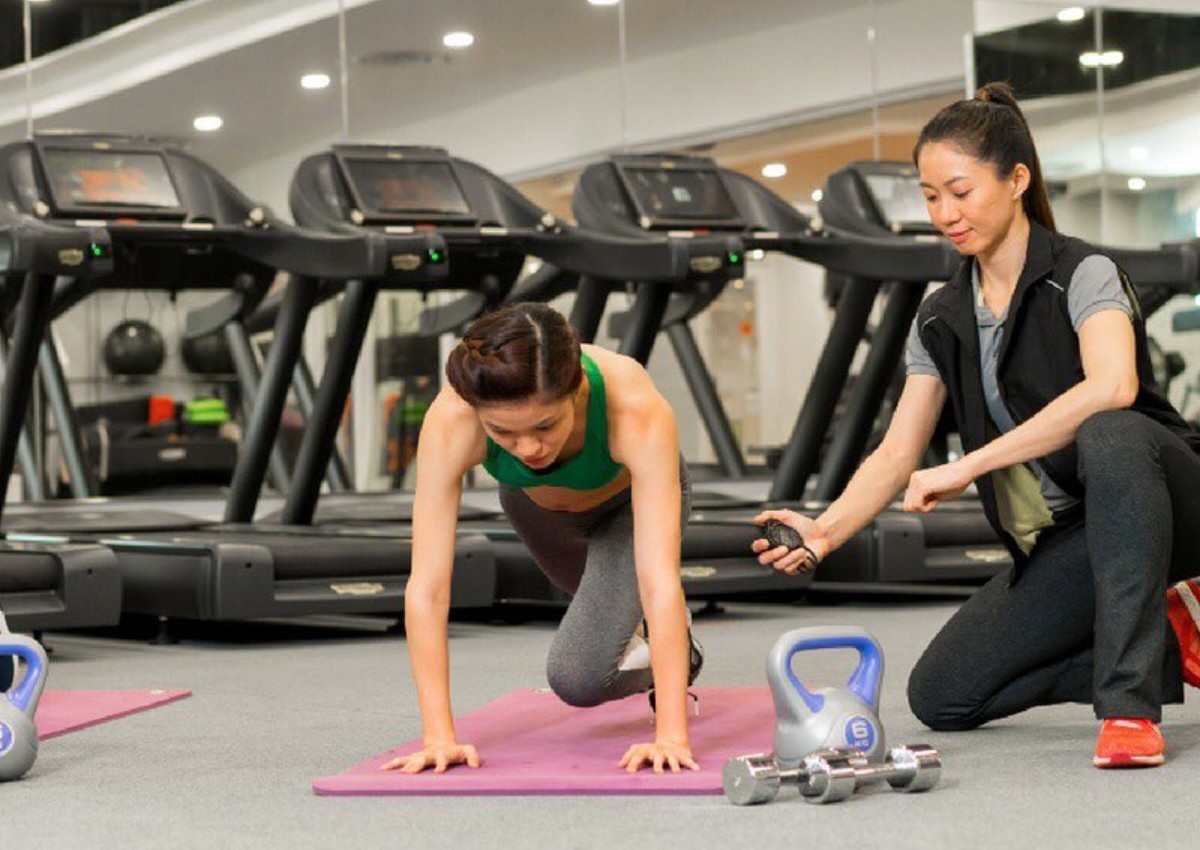
Technology complements guidance by offering real time data. Many people use both together for optimal results.
Q3. Do wearables really improve training?
Yes. They help track heart rate zones, stress levels, sleep and movement, which leads to better training decisions.
Q4. Is tech enabled training suitable for older adults?
Yes. Smart machines provide stability, controlled movement and reduced injury risk, which benefits older users.
Q5. Can technology help me stay consistent with workouts?
Visual progress, alerts and achievement tracking help maintain motivation and build long term habits.